Living in York Region

The Complete Relocation & Lifestyle Guide (2026 Edition)

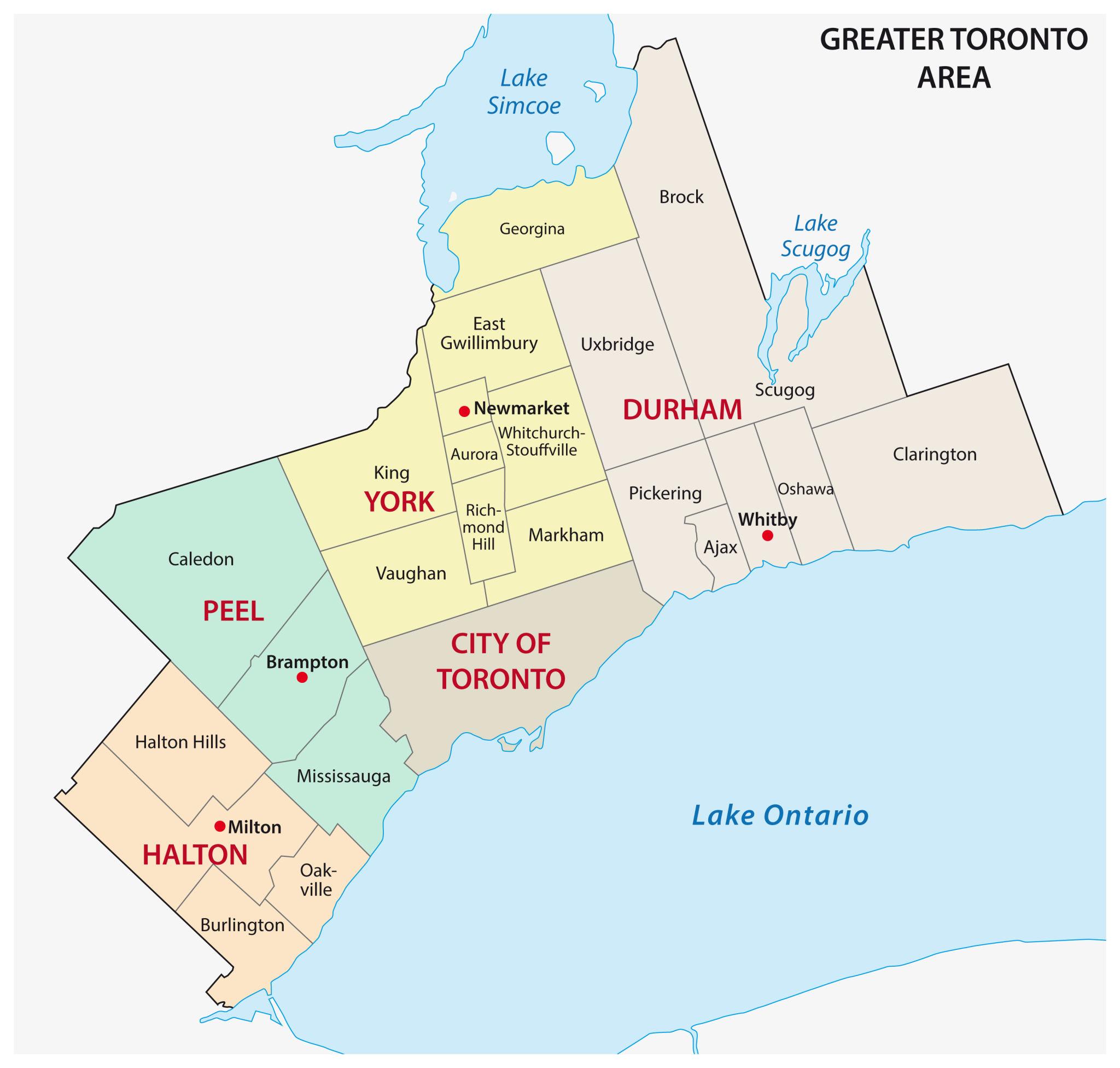
📍 Where Is York Region?

If you're considering a move north of Toronto, York Region offers one of the most balanced combinations of space, schools, safety, and long-term growth in the GTA.

But York Region isn’t one place.

It’s a collection of distinct communities — each with different price points, personalities, commute patterns, and investment profiles.

This guide breaks down everything you need to know before choosing where to live.

York Region sits directly north of Toronto and includes communities such as:

  • Aurora

  • Stouffville

  • Markham

  • Richmond Hill

  • Newmarket

  • East Gwillimbury

It offers:

  • Suburban comfort

  • Strong public services

  • Expanding infrastructure

  • Higher-performing school systems

  • More space than central Toronto

For many buyers, it represents the transition from “city living” to “long-term lifestyle living.”

💰 Cost of Living in York Region

York Region is not uniform in price.

Here’s how different areas typically compare:

Higher Price Points

  • Aurora

  • Richmond Hill

  • Unionville (Markham)

These areas feature mature neighbourhoods, strong school zones, and higher average household incomes.

Mid-Range / Growth-Oriented

  • Stouffville

  • Newmarket

  • Parts of East Gwillimbury

These communities offer newer developments and growing infrastructure.

Relative Value Pockets

  • Northern East Gwillimbury

  • Some newer subdivisions in Stouffville

Housing prices are influenced by:

  • Lot size

  • School boundaries

  • GO access

  • Proximity to Highway 404/407

  • Neighbourhood age

If you’re deciding between towns, reviewing average sale price trends alongside lifestyle fit is critical.

🚆 Commute Times to Toronto

Commute is often the deciding factor.

GO Train Access

  • Aurora GO

  • Stouffville GO

  • Newmarket GO

  • Markham GO

Commute times to Union Station typically range:

  • 40–65 minutes depending on line and schedule.

Highway Access

  • Highway 404 serves Aurora, Newmarket, East Gwillimbury.

  • Highway 407 serves Markham and Richmond Hill.

  • Highway 48 connects Stouffville southward.

Buyers working downtown often prioritize Aurora or Stouffville for rail access.

Buyers working in tech corridors often prioritize Markham or Richmond Hill.

🎓 School Boards in York Region

York Region is known for strong public education performance.

Primary boards include:

  • York Region District School Board (YRDSB)

  • York Catholic District School Board (YCDSB)

French immersion, gifted programs, and specialized secondary programs are widely available.

School boundaries significantly impact resale value — particularly in Aurora and parts of Markham.

If schools are a top priority, neighbourhood-level research matters more than town-level branding.

🏡 Property Taxes Explained

Property tax rates vary slightly by municipality within York Region.

Taxes are based on:

  • Assessed value (MPAC)

  • Municipal tax rate

  • Education levy

On average, expect property taxes to range roughly:

  • 0.65% – 0.75% of assessed value (varies by town)

Newer subdivisions may have slightly higher effective taxes due to updated assessments.

Understanding tax differences can impact affordability calculations more than buyers initially realize.


🌿 Lifestyle Segmentation: Who Should Live Where?

Every York Region town attracts a different type of buyer.

Best for Executive Living

Aurora, Richmond Hill

  • Mature streets

  • Established schools

  • Larger lots

  • Strong resale stability

Best for Growing Families

Stouffville, Newmarket

  • Newer subdivisions

  • Expanding amenities

  • Family-oriented community culture

Best for Tech Professionals

Markham

  • Corporate presence

  • Condo & townhome options

  • Highway proximity

Best for Semi-Rural Lifestyle

Parts of East Gwillimbury

  • Larger properties

  • More green space

  • Lower density

The right town depends on:

  • Commute tolerance

  • Budget flexibility

  • School priorities

  • Long-term investment strategy

  • Lifestyle preference (urban vs suburban vs semi-rural)

📈 Population Growth & Future Development

York Region continues to see steady growth due to:

  • Transit expansion

  • Housing development

  • Infrastructure investment

  • Corporate relocation north of Toronto

Key growth corridors include:

  • Aurora’s redevelopment areas

  • East Gwillimbury expansion zones

  • Stouffville’s new subdivisions

As Toronto pricing pressures continue, York Region remains a primary destination for move-up buyers and relocators.

Ready When You Are

No pressure. Just a conversation.

Whether you're relocating from Toronto or moving within York Region, the decision isn’t just about square footage — it’s about long-term fit.

If you'd like help comparing neighbourhoods, commute impact, or resale potential, I’m happy to walk you through the trade-offs clearly and strategically.

No pressure — just clarity.


This website may only be used by consumers that have a bona fide interest in the purchase, sale, or lease of real estate of the type being offered via the website. The data relating to real estate on this website comes in part from the MLS® Reciprocity program of the PropTx MLS®. The data is deemed reliable but is not guaranteed to be accurate.